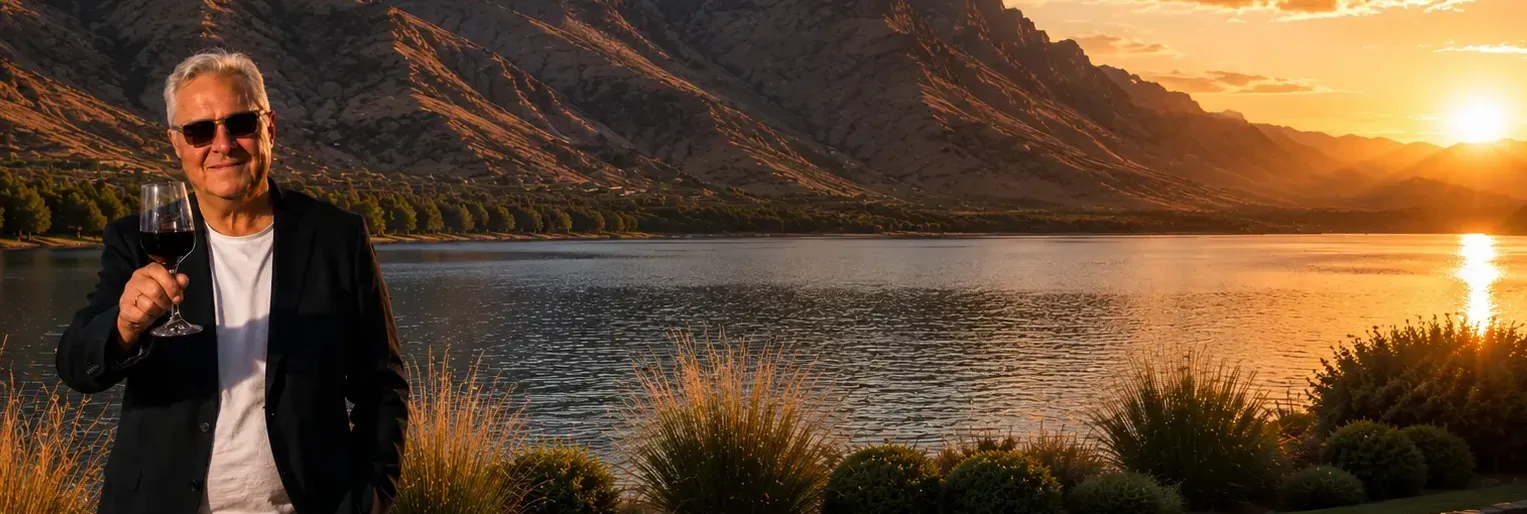
Vineyard landscape in Patagonia, Argentina

Territory-Based Sommelier · Neuquén Wine Ambassador · Patagonian Wine

Understanding Patagonia Through Its Wines

Patagonia is too vast to be understood as a single wine region. Its vineyards stretch from historic river valleys to the Andean foothills and the open plateaus between them, often hundreds of kilometres apart.

Some belong to a century-old wine tradition. Others are redefining the contemporary geography of Patagonian wine. Each has developed its own identity and deserves to be understood on its own terms.

For more than three decades, Patagonia has been my home. My first vineyard experiences came in Río Negro, travelling through the Upper, Middle and Lower Valleys, where quality viticulture has shaped the landscape for more than a century.

As viticulture expanded across Patagonia, I continued following its development. First came San Patricio del Chañar, then the Chimehuín Valley and Chos Malal, followed by many of the places that continue to shape the wine geography of Neuquén and Patagonia.

Long before wine became my profession, every new vineyard gave me another reason to travel. That curiosity still shapes everything I write.

A long-term perspective on Patagonia, told one vineyard, one region and one story at a time

Wine, place and context

A Different Way of Writing About Wine

Wine is often introduced through grape varieties, labels, tasting notes or scores. Those elements matter, but they explain only part of what is in the glass.

Every vineyard reflects a place and a series of decisions made over time. Climate, water, soils, altitude and exposure matter, but so do the people who planted the vines, the knowledge they developed and the culture around the table.

My writing begins with that context. Rather than treating Patagonia as a uniform origin, I look at the differences between its regions and at the people giving each of them a recognisable identity.

The purpose is not to tell readers what to think about Patagonia’s wines. It is to provide enough information and perspective for them to understand why these wines are developing as they are.

History and change

A Wine Landscape in Transformation

Patagonia’s wine history did not begin with the recent development of Neuquén or the arrival of vineyards farther south.

Río Negro has cultivated vines for more than a century across the Upper, Middle and Lower Valleys. Its old vineyards, irrigation culture and established producers remain central to any serious understanding of Patagonian wine.

What has changed is the scale and geographical reach of quality viticulture. New vineyards have appeared in places that were rarely considered part of Argentina’s established wine geography.

Neuquén and beyond

New Regions, New Questions

San Patricio del Chañar established the modern centre of Neuquén wine. Viticulture then expanded towards Senillosa, Cutral Co and Plaza Huincul, northwards to Chos Malal and the Nahueve Valley, and westwards towards Chimehuín, San Martín de los Andes, Meliquina and Aluminé.

Chubut added another set of conditions, with vineyards developing at higher latitudes and under very different growing seasons.

Each new project raises its own questions about varieties, ripening, water, frost, wind and the style of wine a particular place can sustain. Following those questions has become a central part of my work.

Recent writing

Patagonian Wine Journal

Original reporting, regional analysis and field observations on the people, vineyards and places shaping the identity of Patagonian wine.

Neuquén · Regional overview

The Six Wine Regions of Neuquén

A guide to the established and emerging wine regions expanding Neuquén’s viticultural geography.

Patagonia · Regional identity

Patagonian Wine Regions and Identity

How geography, climate, history and local culture contribute to the identity of Patagonia’s different wine-producing areas.

Neuquén · Pinot Noir

Neuquén Pinot Noir

An examination of the regions, growing conditions and stylistic diversity behind one of Neuquén’s most important varieties.

Wine communication · Method

Territory-Based Sommelier

A way of understanding wine through sustained contact with the place, people and culture from which it comes.

Explore the Journal
Wine · Gastronomy · Landscape · Hospitality

Patagonian Wine Experience

Reading about Patagonia can provide context. Experiencing it brings wine, gastronomy, landscape and people together in a very different way.

Patagonian Wine Experience offers carefully considered encounters shaped around the interests of each visitor rather than fixed tours or standard packages.

Some may begin around a table in San Martín de los Andes. Others may continue through selected wine regions of Neuquén, Río Negro or Chubut, depending on the season, the purpose of the visit and what can genuinely be arranged.

The common thread is always the same: understanding Patagonia through its wines, regional gastronomy, landscapes and the people who give each place its identity.

Discover Patagonian Wine Experience

Private encounters and professional visits are considered individually and by prior arrangement.
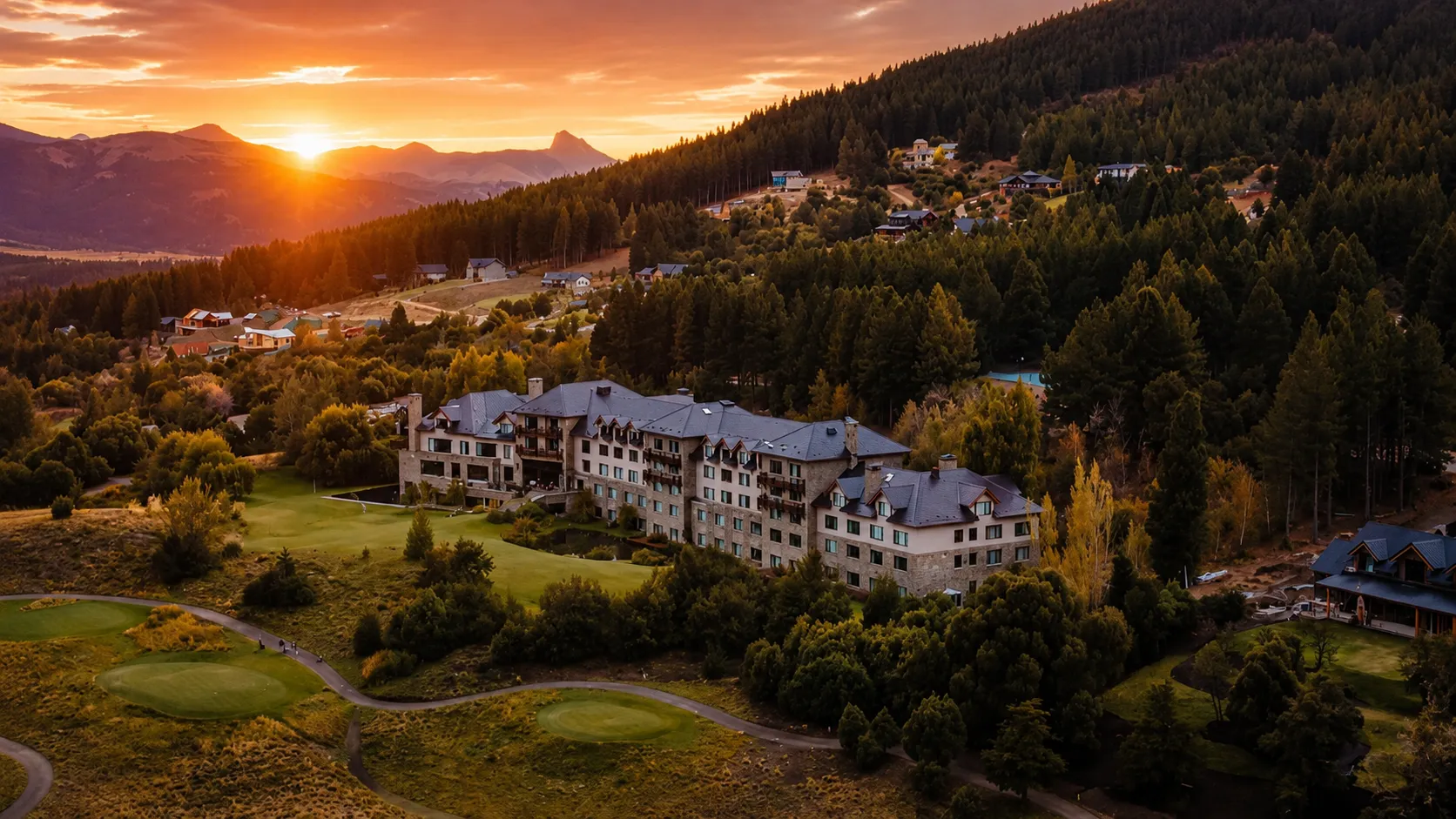
Mountain lodge surrounded by native forest at sunset in San Martín de los Andes, Patagonia Argentina
Regional relationships

Connecting Patagonia with the International Wine Trade

Living and working in Patagonia has allowed me to build lasting relationships with wineries, growers, winemakers, hospitality professionals and public institutions across the region.

These relationships provide access, context and a closer understanding of the projects shaping Patagonian wine.

They can also support informed introductions between wineries and journalists, importers, buyers, educators and other professionals with a genuine interest in the region.

I do not act as an export agent or represent a commercial portfolio. Each introduction is considered individually and begins with a clear interest in Patagonia and its wines.

Selected projects

Wine, Territory and Hospitality

Alongside my editorial work, I participate in selected regional projects that bring together wine, gastronomy, communication and Patagonian hospitality.

Vino a la Montaña

Co-creator · Concept and communication

A Patagonian wine event held in San Martín de los Andes, bringing together wineries from Neuquén, Río Negro and Chubut in an experience shaped by wine, regional gastronomy and mountain hospitality.

Visit Vino a la Montaña

Bodega Cutral Co

Sommelier · Wine tourism and communication

An ongoing collaboration with the municipal winery of Cutral Co, supporting wine communication, hospitality and the interpretation of a viticultural project developing on Neuquén’s central plateau.

Visit Bodega Cutral Co
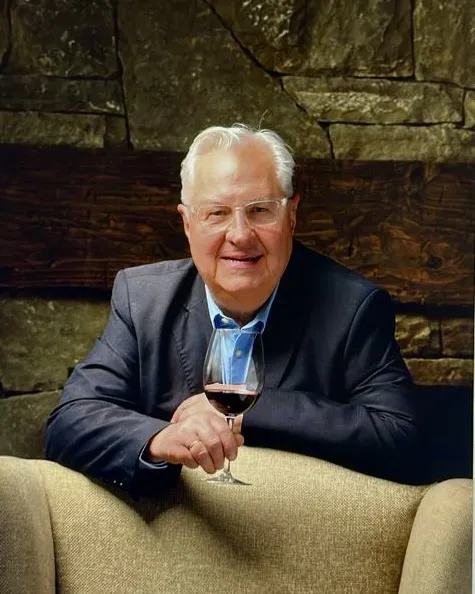
Sergio Landoni in Patagonia
Sergio Landoni
Territory-Based Sommelier · Neuquén Wine Ambassador · Patagonian Wine
About

A Long View of Patagonian Wine

Patagonia has been my home for more than three decades. During that time, I have watched its wine landscape develop from a small number of established vineyards into a group of distinct regions, each finding its own identity.

My first vineyard experiences came in Río Negro, where viticulture has shaped the landscape for generations. I later followed the emergence of San Patricio del Chañar, the first vineyards in the Chimehuín Valley, the projects around Chos Malal and many of the places now extending the wine geography of Neuquén and Patagonia.

Looking back, I realise that I had been following Patagonia’s vineyards long before I understood that wine would become my profession.

Today, my work brings together wine writing, regional communication, professional connections and a perspective built through sustained contact with Patagonia, its vineyards and its people.

Editorial principles

How I Work

Every article published on this website follows the same editorial principles, with understanding and context placed ahead of promotion.

Always

  • Begin with the region before the bottle.
  • Visit vineyards whenever possible.
  • Listen before drawing conclusions.
  • Provide context before offering an opinion.
  • Recognise the work of growers and winemakers.
  • Respect the diversity of Patagonia’s wine regions.
  • Write from direct observation whenever possible.

Never

  • Describe every wine as “world-class”.
  • Use “premium”, “unique” or “authentic” as empty adjectives.
  • Confuse communication with promotion.
  • Reduce Patagonia to a single wine region.
  • Allow commercial relationships to determine editorial judgement.
  • Forget that credibility is built over time.

Knowledge creates trust. Trust creates opportunities.

Contact

A Conversation About Patagonia

If Patagonia’s wine regions have brought you here, I would be pleased to hear about your interest in the region.

Whether your focus is on its wines, vineyards, people, emerging regions or the possibility of discovering Patagonia in person, every meaningful exchange begins with curiosity about the place.

I welcome contact from journalists, importers, buyers, educators, wine professionals, institutions and international visitors seeking a deeper understanding of Patagonia and its evolving wine landscape.

When relevant, I can facilitate informed introductions to wineries, producers and regional initiatives, or consider whether a Patagonian Wine Experience may become part of a future journey.