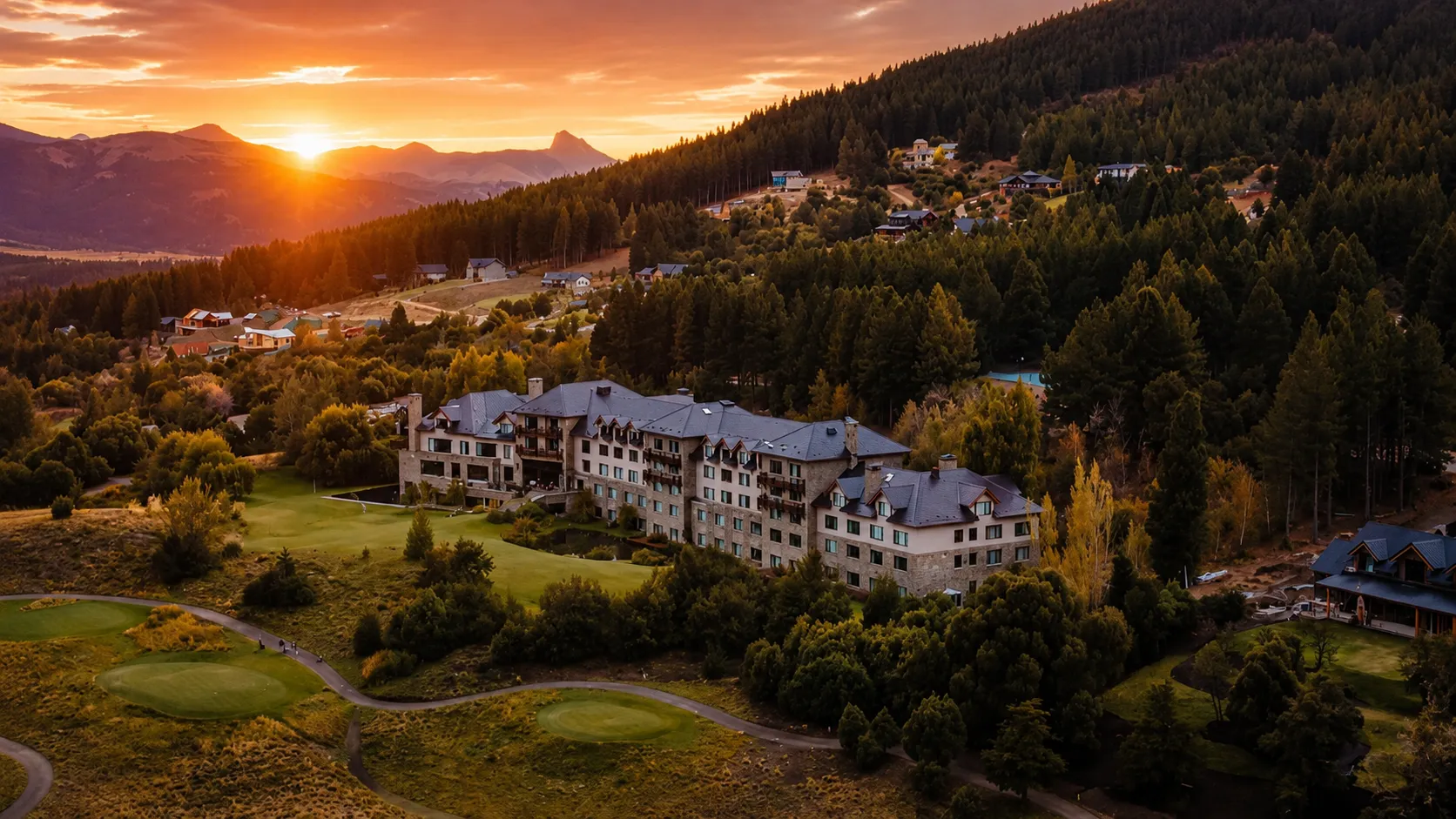
Mountain lodge surrounded by native forest at sunset in San Martín de los Andes, Patagonia Argentina

Wine · Gastronomy · Landscape · Hospitality

Patagonian Wine Experience

An invitation to discover Patagonia through its wines, its tables, its landscapes and the people who have chosen to build their lives here.

A different way to discover Patagonia

Wine is one way into a much larger story

Patagonia does not reveal itself all at once. Its distances are real, the landscape changes constantly and each place follows its own rhythm.

Some journeys begin in a vineyard. Others begin around a table, with a bottle of wine, regional food and a conversation that continues longer than expected. There is no single way to experience Patagonia, and that is part of what makes travelling here so rewarding.

Wine belongs naturally within that experience. It brings together the geography of the region, the work of growers and winemakers, the local cuisine and an Argentine way of sharing food and time with others.

This is not a fixed itinerary or a catalogue of tours. Each encounter begins with the interests of the visitor and develops around the places, people and moments that can offer a meaningful view of Patagonia.

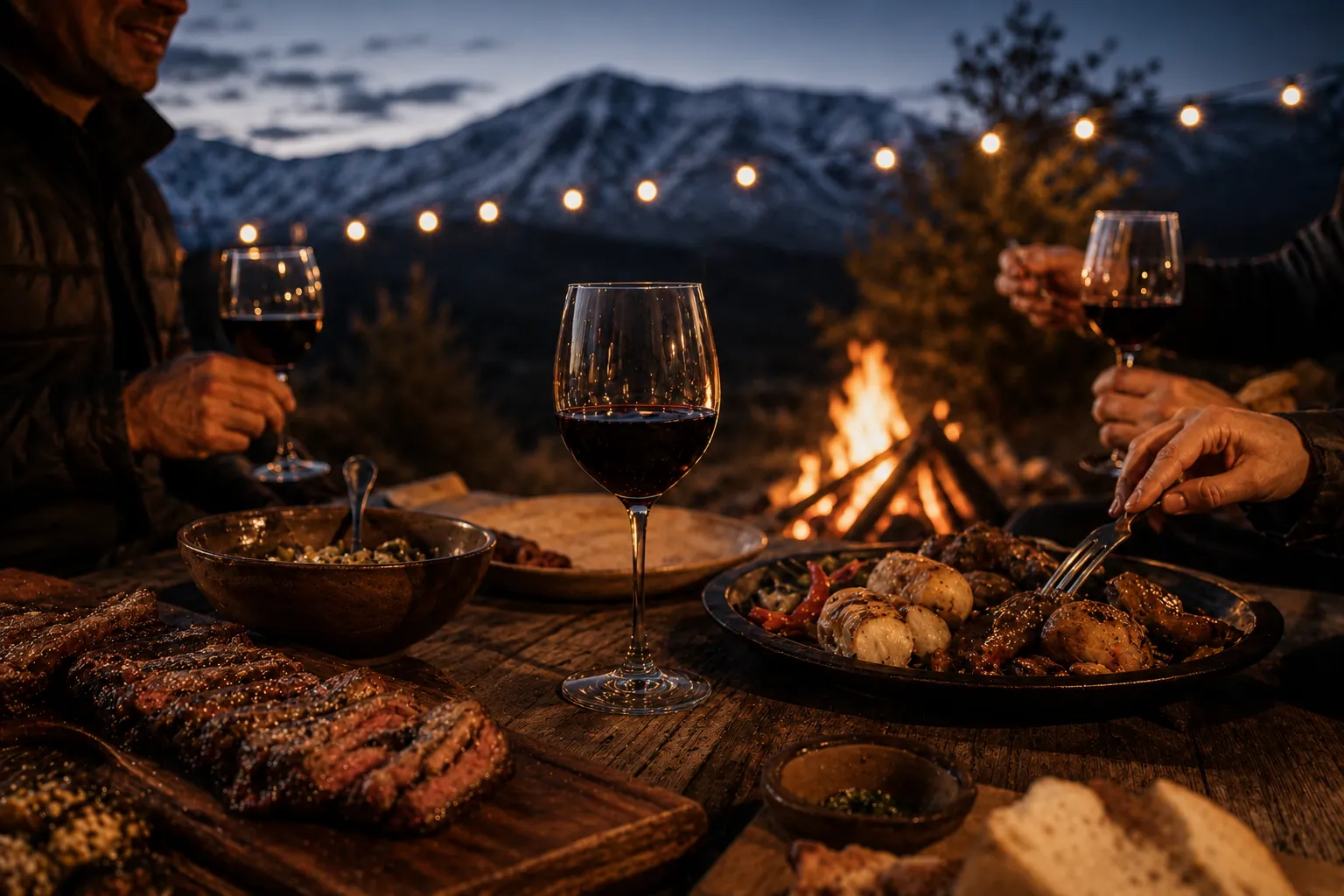
People sharing an Argentine asado and Patagonian wine beside an outdoor fire with mountain views
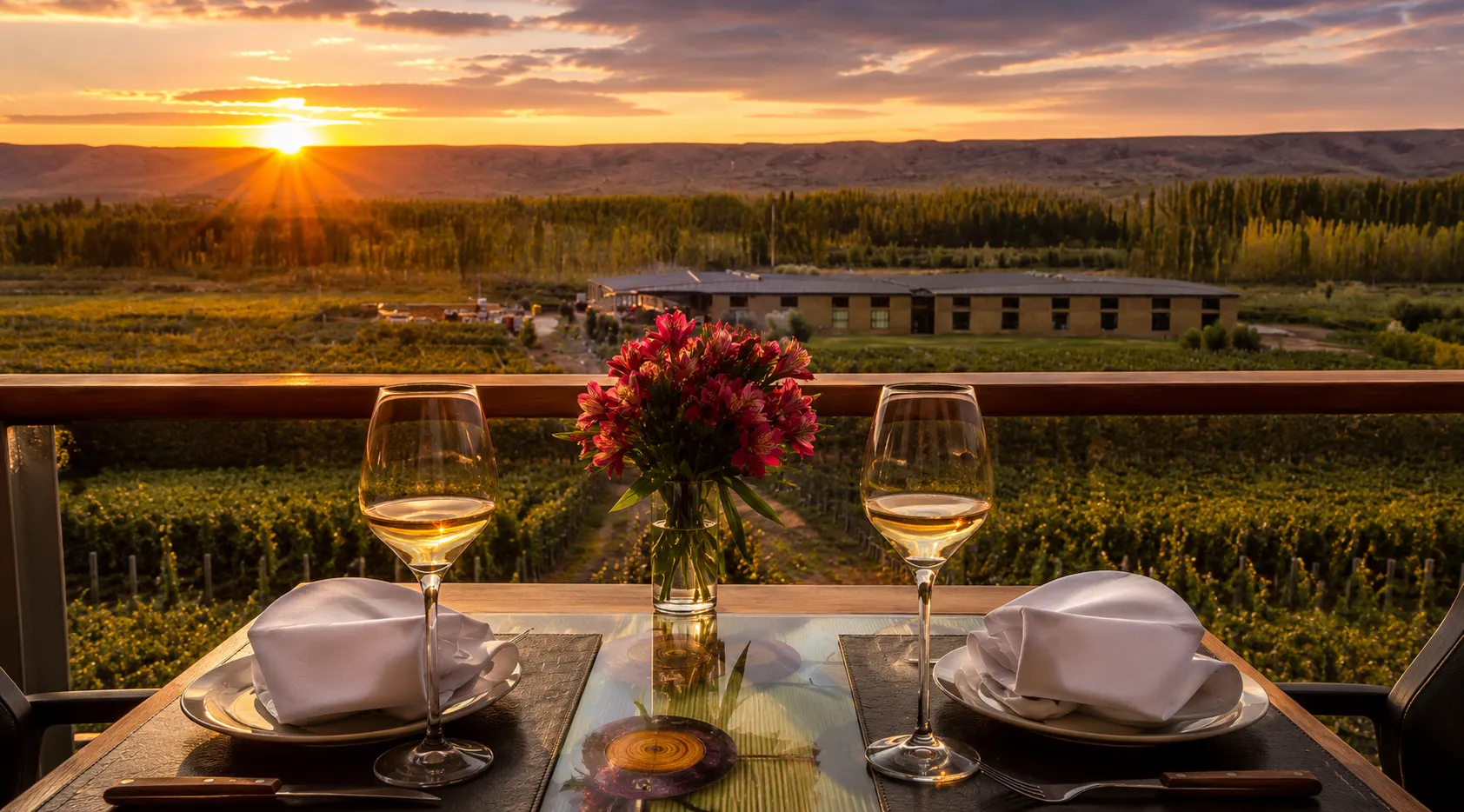
Restaurant terrace overlooking Patagonian vineyards at sunset

Around the table

From a vineyard terrace to an improvised meal beside a lake

Patagonia does not ask us to choose between simplicity and refinement. Both can belong naturally to the same journey.

A carefully prepared dinner overlooking a vineyard and a simple meal shared outdoors may leave equally lasting memories. What matters is not formality, but the relationship between the food, the wine, the landscape and the people gathered around the table.

Argentine hospitality is often expressed without ceremony. A bottle is opened, the food arrives, conversation continues and the meal gradually becomes something more than a reservation or an activity on an itinerary.

In Patagonia, some of the finest experiences are beautifully simple.

Patagonia at its own pace

Not everything happens exactly as planned

Travelling through Patagonia sometimes asks for time, flexibility and a willingness to adapt.

The distances can be long. Weather may change quickly. A road can take more time than expected and an itinerary may need to shift as the day unfolds.

These are not details to hide. They belong to the character of the region. Careful planning matters, but so does leaving room for the unexpected lunch, the conversation that runs late or the place that deserves more time than originally planned.

Patagonia is not perfect, and it has never needed to be. Much of its appeal lies in the feeling that the journey remains real, shaped by the landscape rather than arranged entirely around the visitor.

The best moments are not always the ones that were planned.

Different regions, different stories

Patagonia is not a single wine destination

Neuquén, Río Negro and Chubut belong to the same broad geography, but their vineyards, histories and ways of receiving visitors are very different.

Neuquén

A wine landscape still expanding

San Patricio del Chañar established the modern centre of Neuquén wine, but the province can no longer be understood through a single valley.

The rivers Neuquén and Limay, the central plateau, the Andean foothills and the northern valleys are adding new expressions and new questions to its viticulture.

Depending on the purpose of the visit, an encounter may begin in San Martín de los Andes, continue through the established vineyards or move towards smaller projects where the geography of Neuquén is still being explored.

Explore Neuquén wine regions →
Río Negro

The historical foundation of Patagonian wine

Río Negro brings the continuity of old vineyards, river-fed agriculture and knowledge developed over generations.

The Upper, Middle and Lower Valleys offer different ways of understanding the oldest established wine culture in Patagonia, from historic vineyards to selected contemporary projects.

My relationship with the province is personal as well as professional. It was there that my first vineyard experiences began, long before wine became the centre of my work.

Chubut

Mountain vineyards and southern frontiers

Trevelin has become one of Patagonia’s most recognised wine destinations, while the Andean Region around El Hoyo, Lago Puelo and El Bolsón brings together small wineries, growers and projects closely connected to the mountain landscape.

Farther east, selected producers across the Chubut River Valley add another dimension to the province’s still-developing wine identity.

Relationships built over years with producers, winemakers and regional professionals make it possible to approach these places with context, always according to the nature of each visit and the availability of those involved.

Beyond the vineyards

The landscape is not a backdrop

It influences the wines, the food, the distances and the way each day unfolds.

Patagonia can mean native forest and mountain lakes, dry plateaus, river valleys, snow-covered peaks or open country where the horizon seems to extend without interruption.

These differences are part of the experience. A wine may be tasted near the vineyard where it was grown, beside a lake, in a carefully chosen restaurant or around a fire after a day spent travelling through the region.

The setting changes, but the purpose remains the same: to understand wine as part of a place rather than as something separated from it.

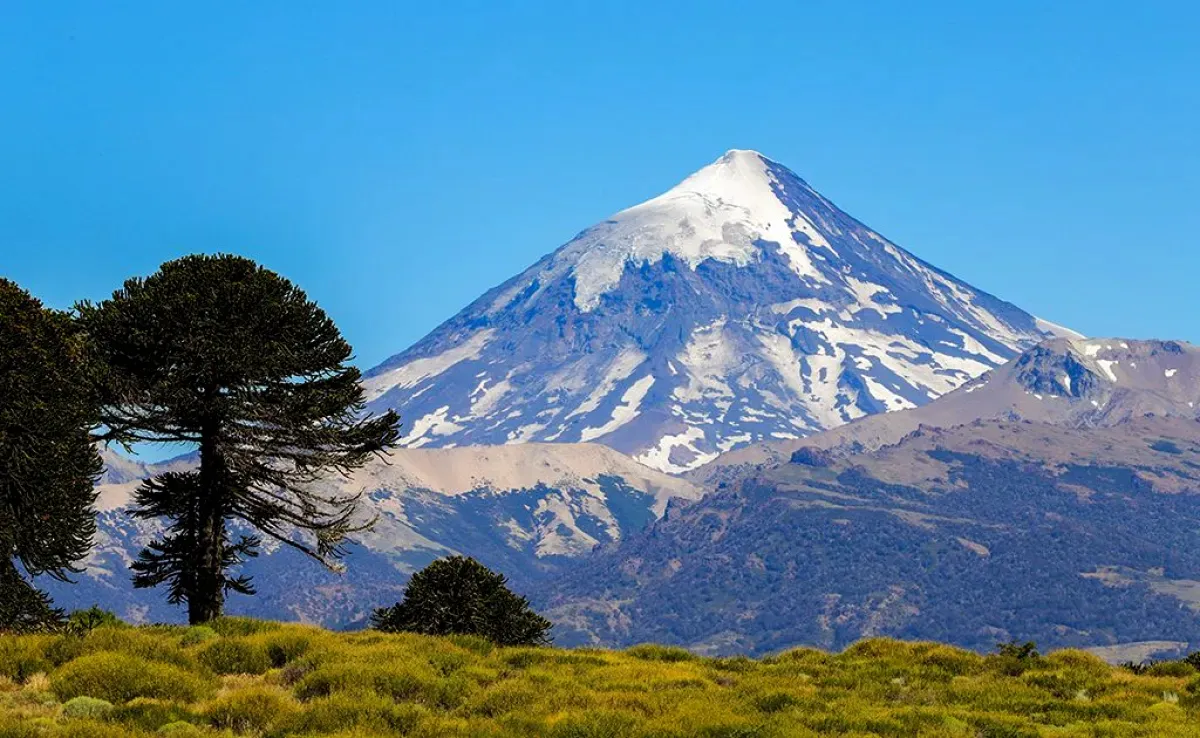
Lanin Volcano rising above the Patagonian landscape in Neuquén, Argentina

No fixed formula

Every encounter begins with a different interest

Some visitors arrive looking for wine. Others are drawn by gastronomy, landscape, professional research or the desire to understand Patagonia beyond the usual routes.

Wine and regional gastronomy

A private tasting, a shared meal or a carefully selected table can provide an introduction to the wines of Patagonia without turning the experience into a formal class.

The wines are presented alongside the regions, people and foods that give them meaning.

Regional journeys

When time and distances allow, a journey can connect different wine landscapes through vineyards, wineries, restaurants and conversations with the people working there.

The route is considered individually and adapted to the season, the interests of the visitor and what can genuinely be arranged.

Professional and media visits

Journalists, importers, buyers, sommeliers, educators and institutions may need something different from a conventional visit.

Context, regional interpretation and carefully considered introductions can help them understand the projects and people shaping Patagonian wine.

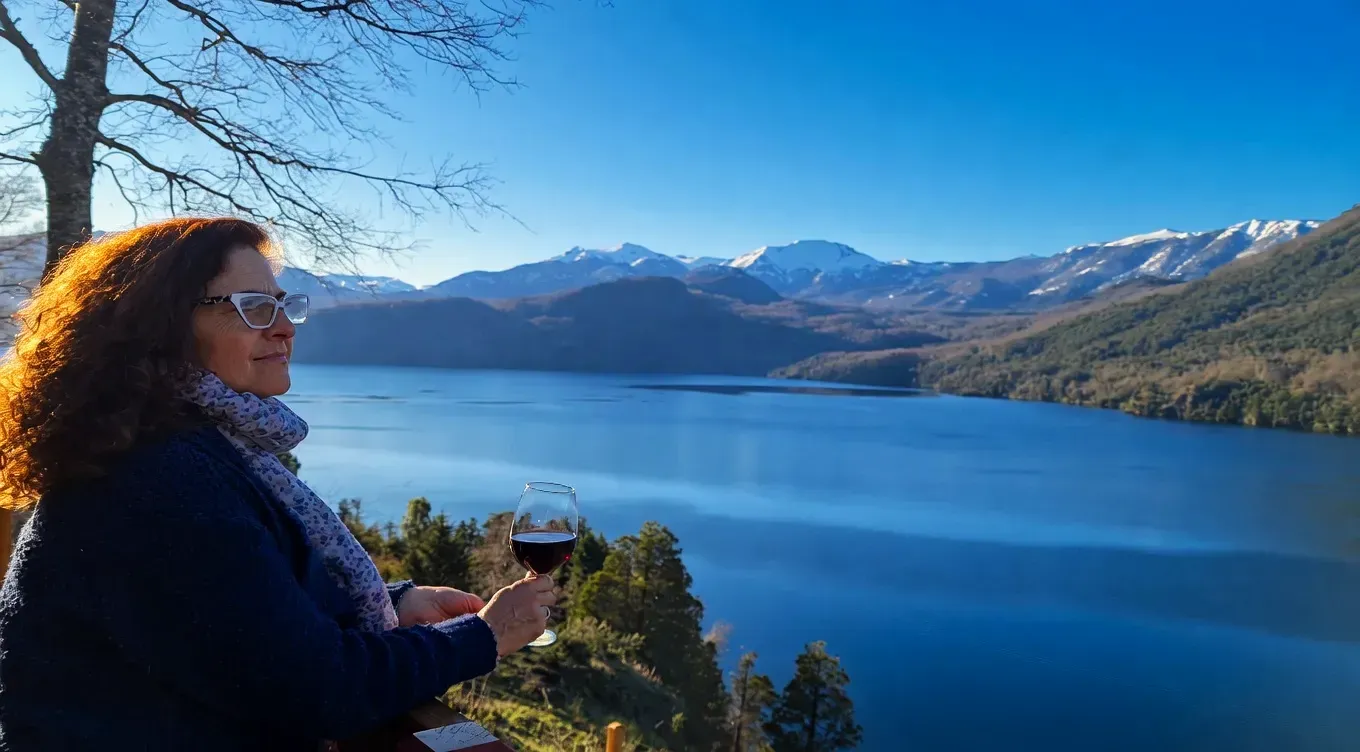
Woman enjoying a glass of Patagonian wine while overlooking a mountain lake

Time to enjoy the place

Not every meaningful moment needs an itinerary

Sometimes the most memorable part of the day is simply finding the right place to stop.

A glass of wine overlooking a lake, a conversation after lunch or the changing light at the end of the afternoon can become as important as any scheduled visit.

Patagonia often rewards those who leave enough space for those moments. They cannot always be planned, but they can be recognised when they appear.

Your host

Understanding the place before shaping the journey

My role is not to lead a conventional tour, but to help visitors understand Patagonia and connect its wines with the places and people behind them.

I have lived in Patagonia for more than three decades. My first vineyard experiences came in Río Negro, followed by the development of Neuquén and later by projects across Chubut and the Andean Region.

During those years I have developed relationships with growers, winemakers, winery owners, chefs, hospitality professionals, researchers and regional institutions.

Those relationships are based on trust and cannot be treated as a catalogue. Every introduction is considered carefully, according to the purpose of the visit and the interest of everyone involved.

I remain the host, not the protagonist. The people who grow the grapes, make the wines, prepare the food and live in these places are the ones who give each encounter its real meaning.

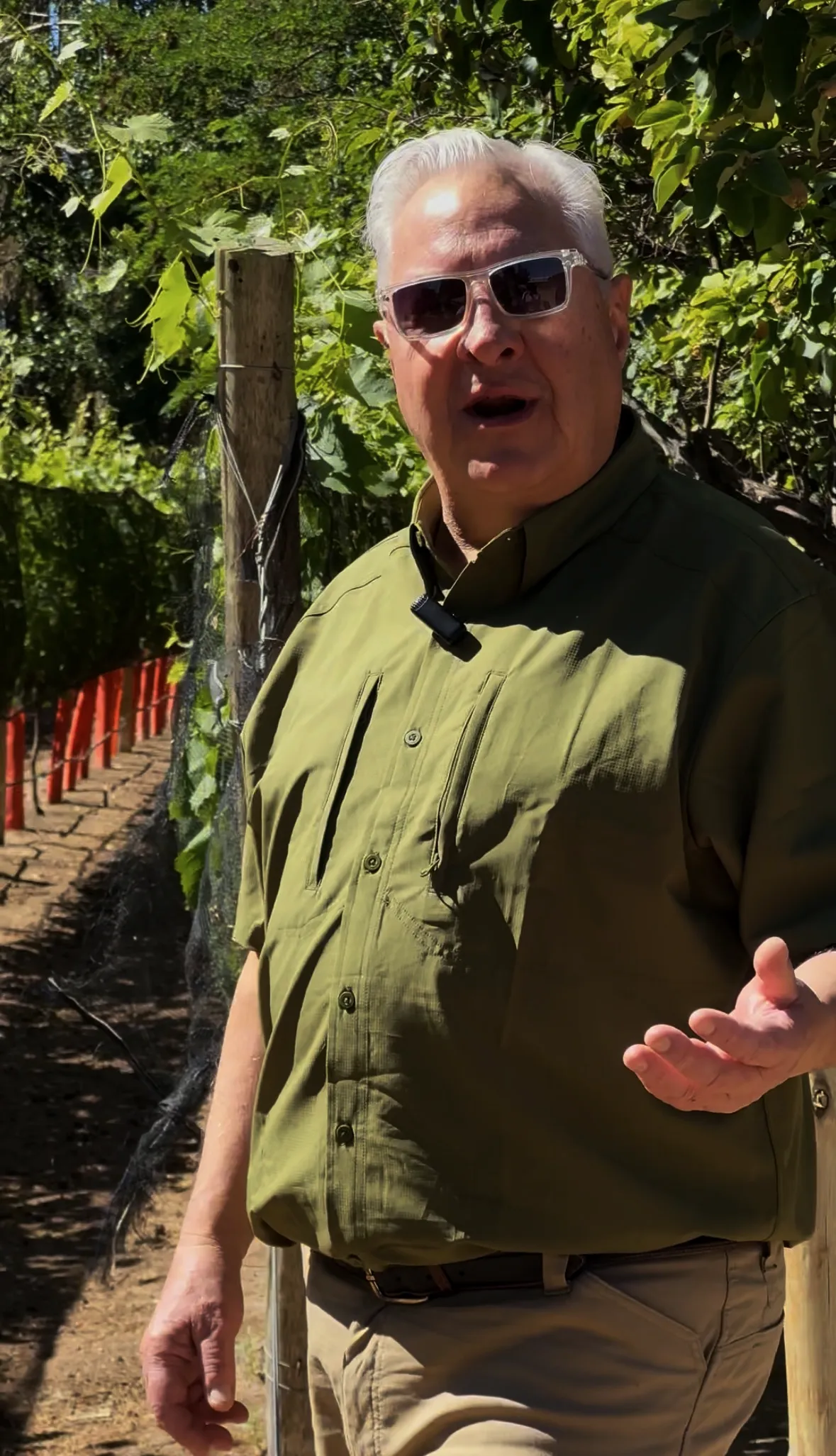
Sergio Landoni explaining a Patagonian vineyard during a wine visit
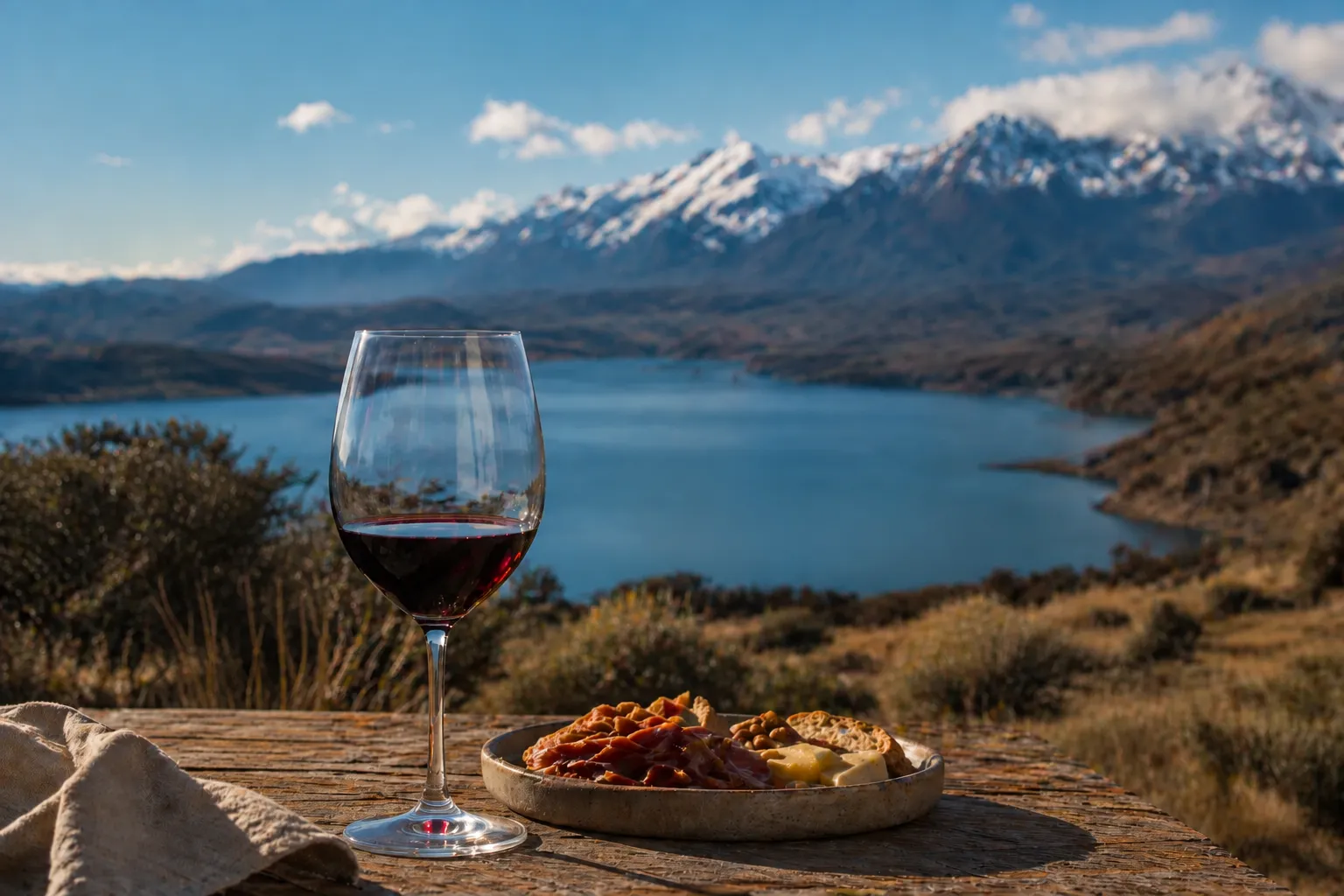
Glass of Patagonian wine overlooking a mountain landscape in Argentina

Argentine hospitality

Hospitality is part of the experience

Wine in Patagonia is rarely just about wine.

It is about sharing a table, discovering local food, listening to stories, meeting the people behind each bottle and enjoying the generous rhythm of Argentine hospitality.

Sometimes that means lunch overlooking a vineyard. Sometimes it means an improvised table beside a lake, an asado over an open fire and a bottle opened simply because the moment feels right.

Luxury here is not always measured by formality. Often it is found in authenticity, good company, beautiful scenery and the feeling that time has slowed down for a while.

Every visit is different

Planned around people, not packages

Individual planning

Every visit begins with a conversation. Interests, available time, season and travel plans all help shape what may be possible.

Small groups

These encounters are intended for individuals, couples and small private groups, allowing time for genuine conversations and meaningful experiences.

Professional visits

Journalists, buyers, importers, educators and institutions may require a different approach, focused on regional understanding and long-term relationships.

Experiences are considered individually and always depend on the season, regional conditions and the availability of wineries, producers, restaurants and hospitality partners.

Let's begin with a conversation

Tell me what brings you to Patagonia

The most rewarding journeys usually begin with curiosity.

Whether your interest is wine, gastronomy, Patagonia itself or a professional visit, every conversation starts with understanding what you hope to discover.

Share your plans, the time available and the places you hope to visit. Together we can explore whether a Patagonian Wine Experience may become part of your journey.

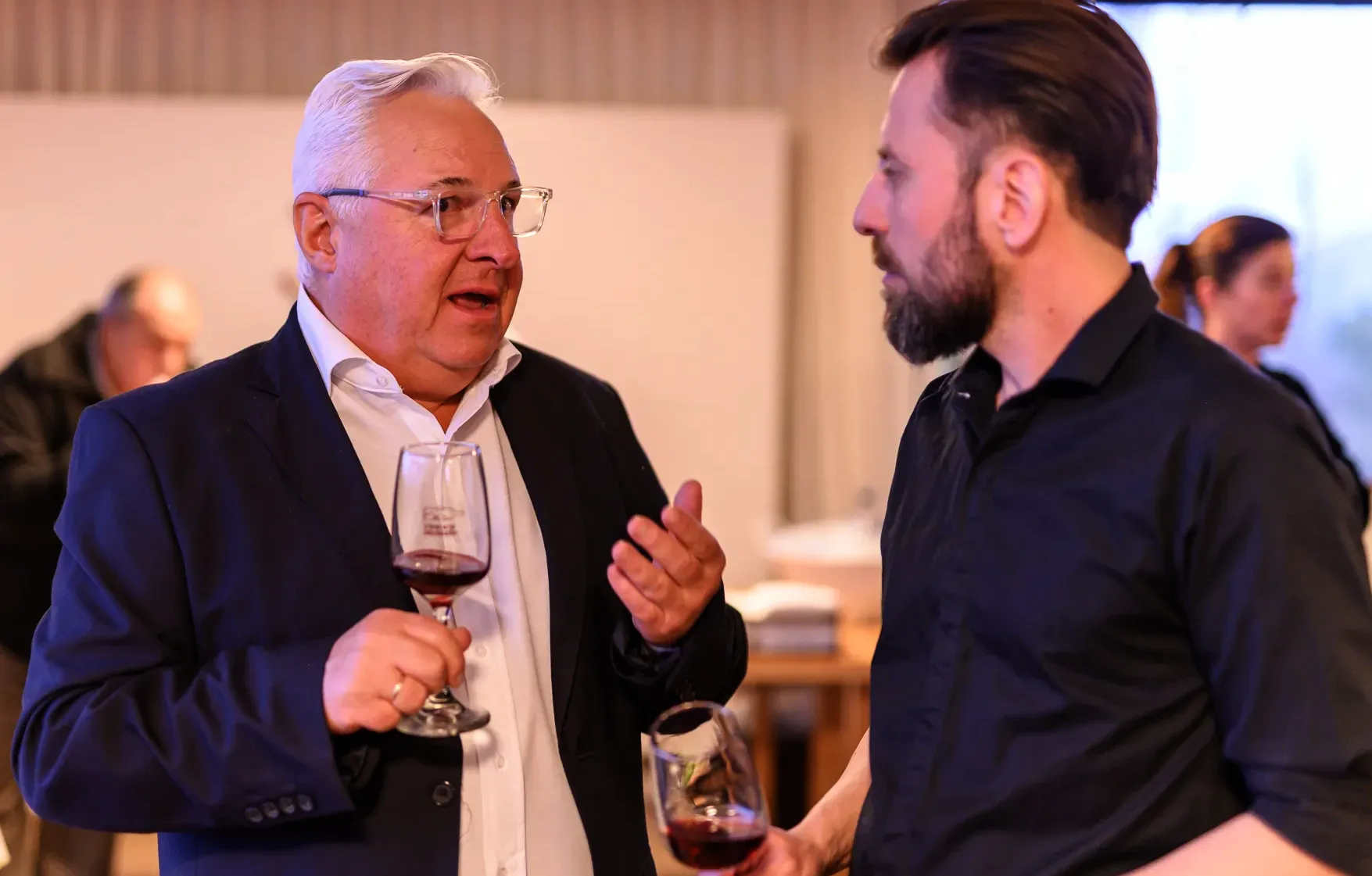
Sergio Landoni speaking about Patagonian wine

Patagonian Wine Experience

Patagonia asks for time. It gives back perspective.

Travelling here takes longer than in many other wine regions. Distances are real, weather sometimes changes unexpectedly and plans occasionally need to adapt.

That is part of Patagonia.

What you find in return is something increasingly uncommon: landscapes that remain authentic, wineries still closely connected to the people who created them and meals where conversation is as important as the wine itself.

Patagonia is not perfect, nor does it try to be. Its character is found in its people, its openness and its ability to turn simple moments into lasting memories.

Wine is simply one of the most beautiful ways to begin discovering it.

Wine opens the conversation.
Patagonia tells the story.